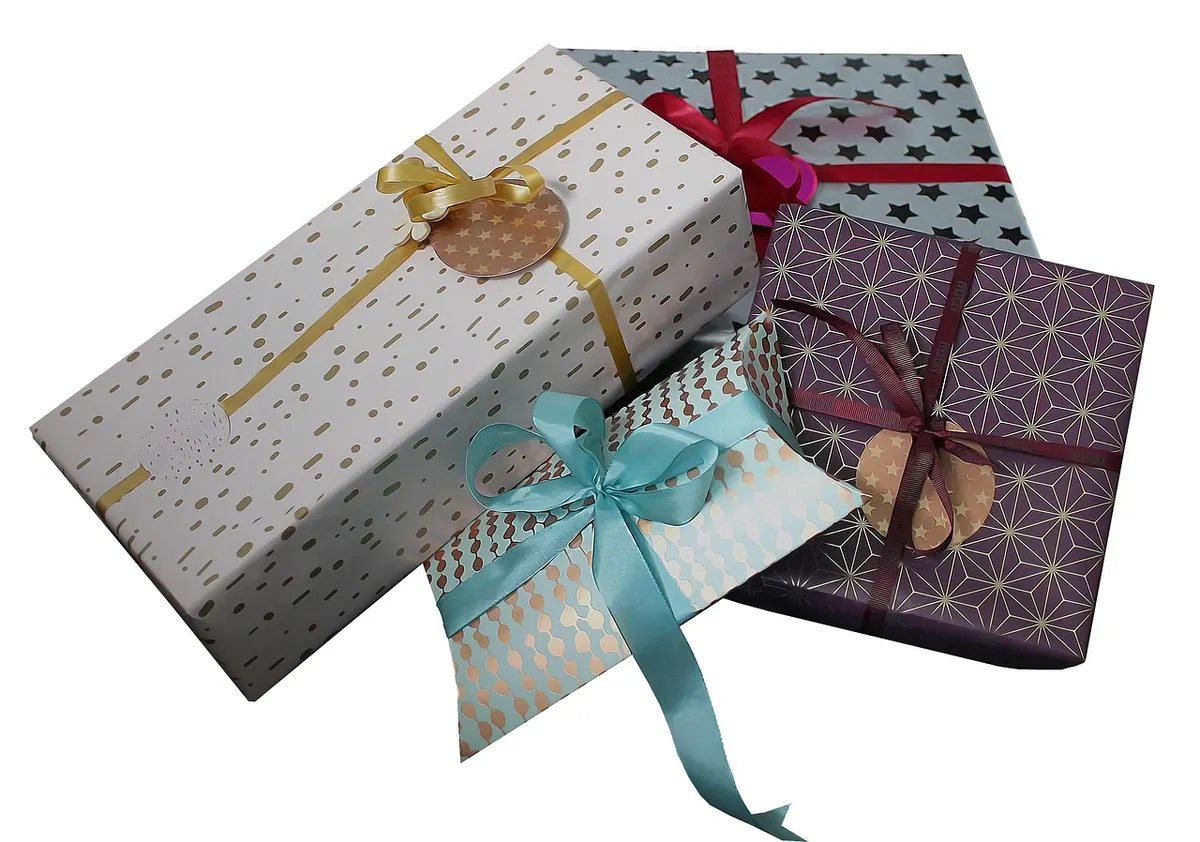
Holiday Gift Guide: 15 Retro Gaming Gifts Under $50
Fifteen retro gaming gifts that stay under fifty dollars, from cleaning kits and cartridge stands to...

There's a specific kind of regret that comes with hauling a box of loose cartridges home from a flea market, plugging in the first one, and staring at a blank screen. Most collectors have a version of that story. When we asked readers what they wish they'd known in their first year, the same nine mistakes kept coming up — and nearly all of them are avoidable with a bit of patience and a short checklist before you pay.
This isn't about hunting hidden gems or outsmarting anyone. It's about not losing money, not slowly damaging the games you already own, and not filling shelves with things you'll never plug in.
Retailers and online sellers price loose discs at what they hope to get. What people actually pay is a different number, and it's the one that matters. Two minutes in the sold listings of any marketplace usually shows the same title changing hands for less. Set a hard ceiling before you start browsing. Browsing first and deciding later is how a $30 game becomes a $60 purchase.
Loose is also a different product from complete. On plenty of titles, the case, manual and inserts are worth more than the disc itself, so a loose copy priced near a complete one is a bad deal even if the disc is spotless. If you plan to complete it later, price the case and manual first and fold that into the decision.
Untested means untested, not "probably fine." A cartridge that won't boot often just needs a clean, but a disc with deep scratches or damage to the label side may never play again. Ask questions before money changes hands, and treat a seller who won't answer them as an answer in itself.
A quick checklist that saves a lot of returns:
Attention moves in waves. A remake gets announced, a video essay goes viral, and prices for that one title climb for a few weeks before settling back down. Buying during the spike means buying at peak interest, from sellers who know exactly why you're there.
The fix is to choose a lane and write it down: one console, or two at most, and a list of ten to fifteen games you actually want to play. Buy from that list. If something isn't on it, it can wait a month — and if you still want it then, add it.
The same discipline applies to volume. It's easy to end up with eighty games and no memory of buying half of them. Games you genuinely love are also the ones you'll know well enough to buy correctly, because you'll recognize the good versions, the poor ports and the fair prices.
A forty-game lot at four dollars a game is a bargain only if you want eight of those games. Run the numbers on what you want rather than the average: divide the price by the games you'd have bought individually, and see what each keeper really costs. If that number is ugly, walk away, however good the pile looks in the photo.
Then come the costs the listing doesn't mention. Shipping on heavy lots. Import fees, which vary by country and are worth checking before you commit. Replacement cases and batteries for games that arrive rough. The quiet expense of chasing a manual six months later. None of this is a reason to stop buying; it's a reason to keep a note of what you actually spent per game. A running list on your phone is enough.
Most damage happens quietly: a shelf by a sunny window, a box in a damp basement, discs stacked on a spindle for a year. Boxes fade, paper absorbs moisture, and heat does things to discs and cartridges that no amount of cleaning undoes.
A cartridge that won't load usually isn't dead. Pins collect grime, and a careful clean with isopropyl alcohol and a cotton swab fixes most of it. Dirty games get sold as broken games constantly, which is good news for anyone willing to spend ten minutes with a screwdriver and a cloth.
Discs are less forgiving. Cleaning is fine; repeated resurfacing is not, since every pass removes material. Treat it as a last resort rather than a routine. With consoles, watch for leaking capacitors and corrosion, especially on machines that have sat unused for years. If soldering isn't your thing, find a local repairer and ask what parts they use before handing anything over.
Reproduction carts and discs are sold openly, and buying one deliberately is fine. Paying original prices for one is not. Learn a few tells for the consoles you collect: screws that don't match the originals, labels with the wrong finish or slightly off colors, blob-style chips on a board that should have proper ones, shells that fit differently. Board photos from a seller settle most of it in seconds.
Region is the other trap. Games from one region don't always run on another region's console, and some ports run at different speeds. Know what your machine accepts before buying something that has to cross a border to reach you.
Pick one console. Write a list of games you want to play, and set a monthly amount you're comfortable spending, then treat it as a hard cap rather than a suggestion. Buy from the list, ask for photos, test every arrival the day it lands, and clean it before it goes on the shelf. Store everything upright, out of the sun, in the driest room you have.
Keep the hobby in perspective, too. Nobody can tell you what a game will be worth in ten years, including the person selling it to you. If collecting starts to feel like an investment strategy rather than a shelf of things you enjoy, that's usually the moment to slow down. The collections people keep for decades are built around games they actually play.
Photo: Alexas_Fotos / Pixabay
Fifteen retro gaming gifts that stay under fifty dollars, from cleaning kits and cartridge stands to...
A practical playbook for starting a monthly retro gaming meetup: finding a venue, picking a format,...
We put wireless retro pads through twitchy platformers, testing input lag, battery habits and d-pad feel...